
Count the whole visit to the table
A box’s playing time is a planning guide, not a promise. Finding the pieces, dealing cards, explaining a new rule and packing away all take time. The first game may run longer while everyone asks questions. If you have a firm twenty-minute window, a familiar fifteen-minute game gives you more breathing room than a new game listed at twenty minutes.
Our quick-setup label is editorial guidance about getting the game ready; it is separate from playing time. A small deck may need almost no arranging but still take time to teach. A short board game may require loading a dispenser or laying out cards before the first turn.
Choose the kind of quick that suits your family
For a lively few minutes, consider Spot It! Classic. Players look for the shared symbol between cards, with no independent reading needed. Speed is part of standard play, so it may suit a different evening from one when somebody needs a quieter pace.
For a short game with decisions to consider, Qwixx and Sushi Go! are useful starting points. Qwixx turns dice sums into choices on a score sheet; Sushi Go! asks everyone to choose a card and pass the rest. Both have publisher playing times of fifteen minutes, but their scoring deserves an explanation before you begin.
Look beyond the size of the box
A small tin does not automatically mean easy rules. Sushi Go! includes different scoring combinations, and an adult may need to help read the reminders or total points. Qwixx needs writing tools as well as the included sheets. Set those out first so your playing window is spent playing.
Zingo! is a twenty-minute picture-and-word matching option for younger players. Flip 7 is also listed at twenty minutes, with light reading and choices about whether to risk another card. They create different moods: check the ages, group size and reading notes rather than treating all short games as interchangeable.
What about a familiar deck of UNO?
UNO can be convenient when the family already knows the matching rule. A single round can be shorter than a full game played to a points target. Our shelf uses an estimated fifteen-to-thirty-minute range, so UNO is not included by the twenty-minute-or-less filter. If you choose a single-round finish, agree on it before starting; do not promise that every round will fit an exact deadline.
Make the next choice easier
Start with the youngest player’s age, then consider reading, players and pace. Older children may enjoy helping with setup or totals, while each person still makes their own choices. Keep a familiar option nearby for evenings when learning a new game feels like too much.
Use the shelf’s time and setup filters together, then open a game’s family-fit notes. For more ideas, start with a recognized favorite and look at what connects each suggestion—and what changes.
Find your family’s fit
Explore the matched edition and its details on our shelf. Check current price, seller and availability before buying.
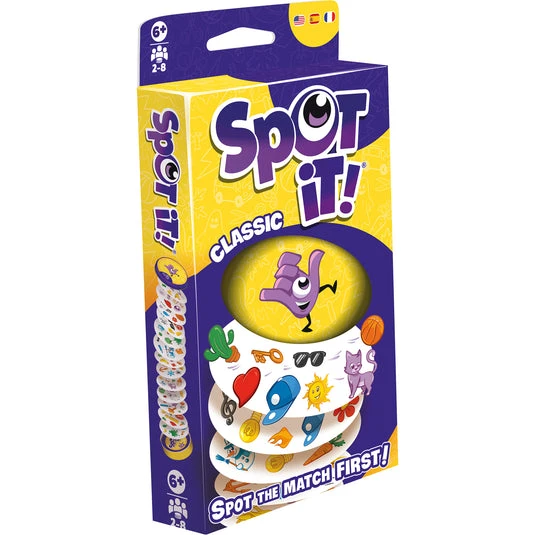
Spot It! Classic
Zygomatic / Asmodee
A small tin for quick visual matching; publisher guidance is fifteen minutes or less.
Consider: Standard play is a speed race. A turn-taking version is a family variation.
See details →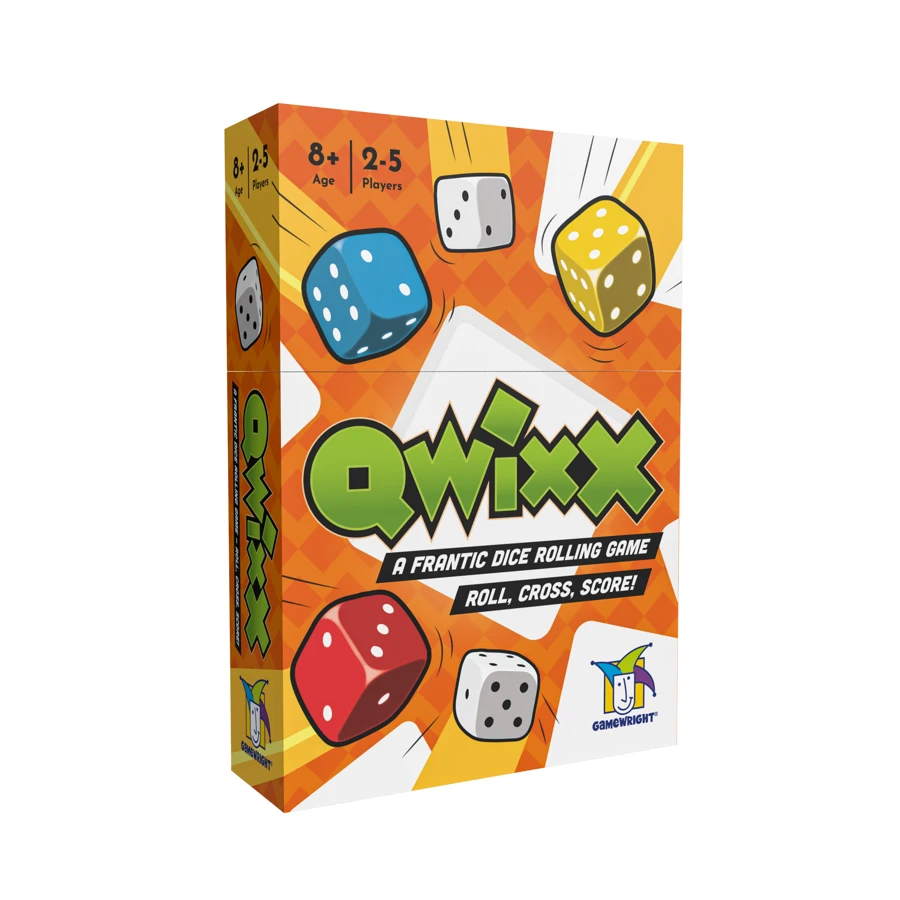
Qwixx
Gamewright
A fifteen-minute dice game with very little arranging and choices on every roll.
Consider: Provide a writing tool for each player and teach row order and scoring.
See details →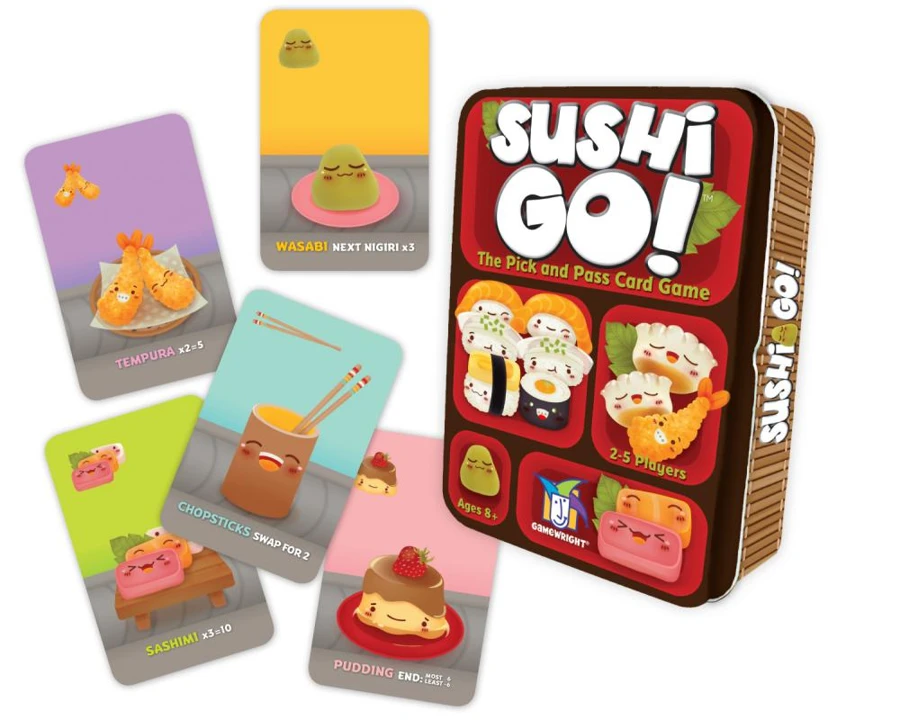
Sushi Go!
Gamewright
Fifteen-minute pick-and-pass play, with everyone choosing at once.
Consider: Explain the scoring combinations and have paper ready.
See details →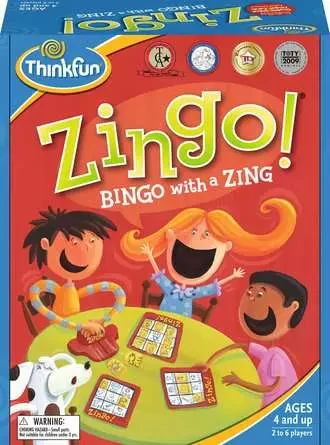
Zingo!
ThinkFun
A twenty-minute matching option with pictures to support pre-readers.
Consider: An adult teaches the dispenser and helps name unfamiliar pictures.
See details →
Flip 7
The Op Games / USAopoly
A twenty-minute card choice for groups of three or more.
Consider: Luck and action cards can change a round abruptly; light reading help may be useful.
See details →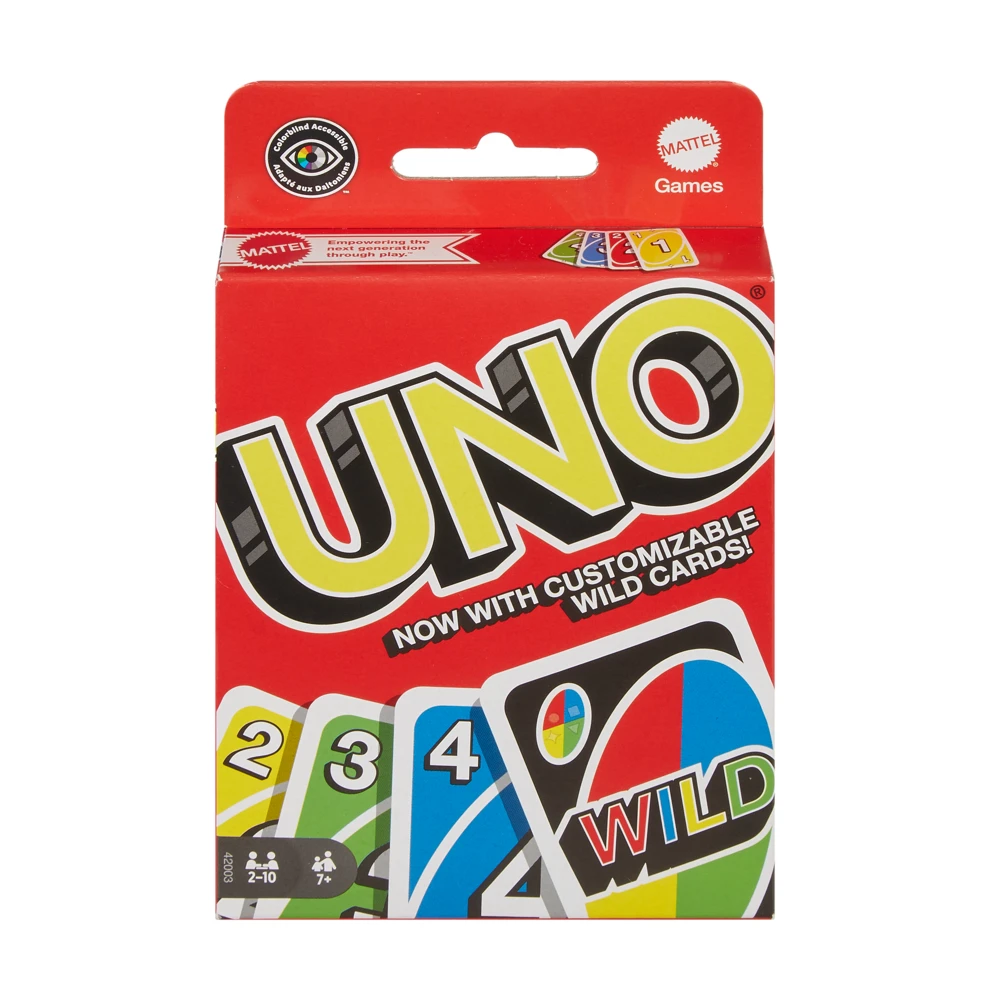
UNO
Mattel Games
A familiar classic when one agreed round is the plan.
Consider: The full game is estimated at fifteen to thirty minutes; it does not meet our twenty-minute filter.
See details →Common questions
Does quick setup mean a game takes less than twenty minutes?
No. Setup and playing time are separate. Apply both filters if both matter, and allow extra time for teaching and packing away.
Which short games do not require independent reading?
Spot It! Classic, Qwixx and Zingo! use visual information after the rules are explained. An adult may still help with naming, numbers or scores.
Can a younger child join a game listed for older players?
Use the publisher age as a starting point and read the family-fit notes. An adult can support play, but support does not change the listed age guidance.
A useful next step
Find quick games with little setup →Sources & further reading
Our fit notes are editorial guidance. Reading preferences, comfort and family experience vary.