 Understanding evaluations
Woodcock–Johnson V Brief Assessment: What Parents Need to Know
Understand the newer Woodcock–Johnson V, brief cognitive and achievement measures, what results can tell you, and questions to ask your child’s evaluator.
Read article → School support & access
School Accommodations Without Special Education: A Parent’s Guide
Explore classroom supports, MTSS and Section 504, with practical examples, parent questions and next steps when a child does not have an IEP.
Read article →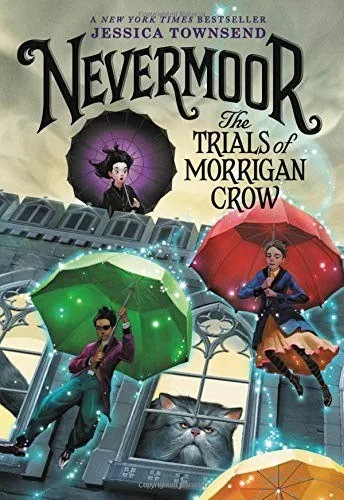 The Literary Guide · What to read next
Books Like Harry Potter for Kids: Find the Part They Loved
Five fantasy reads for Harry Potter fans, matched by magical worlds, friendship, mysteries and creatures, with practical notes on tone and suspense.
Read article →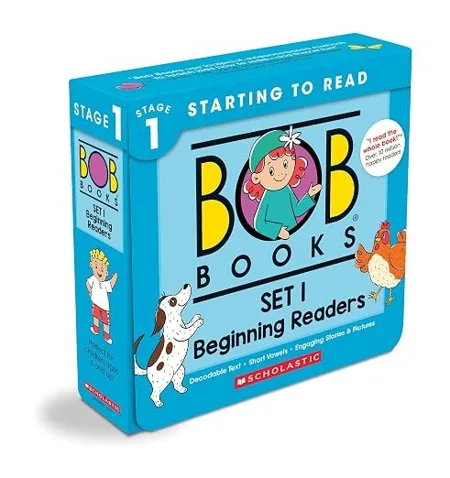 The Literary Guide · Beginning reading
Phonics Books for Beginning Readers: What to Buy First
Compare Bob Books, Primary Phonics, All About Reading readers and Usborne stories, then choose practice books that fit the sounds your child has learned.
Read article → Family Game Shelf · A little time to play
Quick Family Board Games for Busy Evenings
Find a family game for a short window of time, with practical advice on setup, reading, pace and choosing between quick card, dice and board games.
Read article →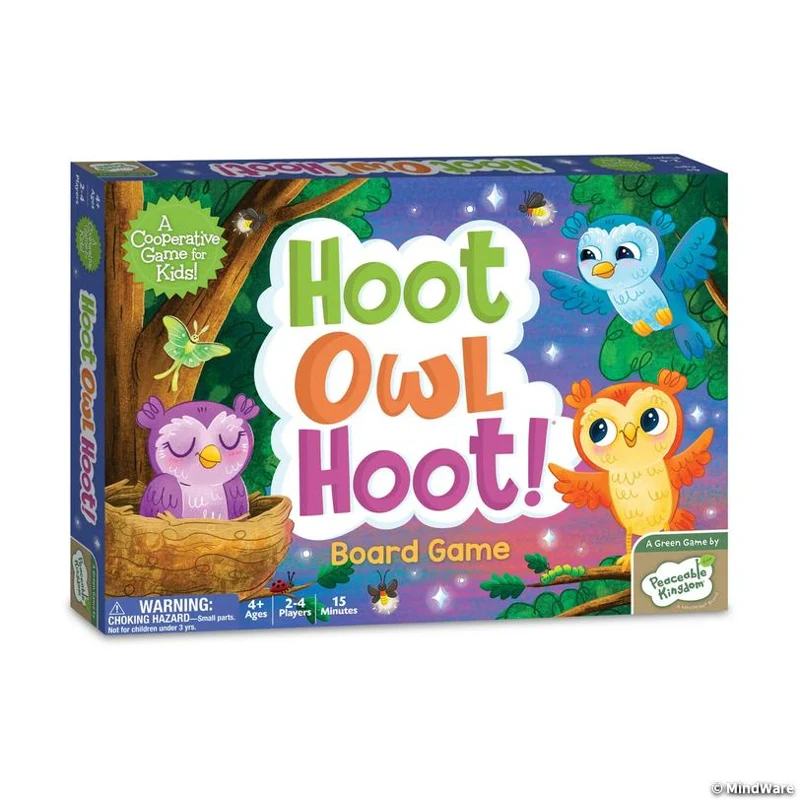 Family Game Shelf · Play on the same team
Cooperative Board Games for Kids: Finding Your Family’s Fit
Choose a cooperative family board game by age, reading, time and pace, with practical guidance for shared decisions and mixed-age play.
Read article →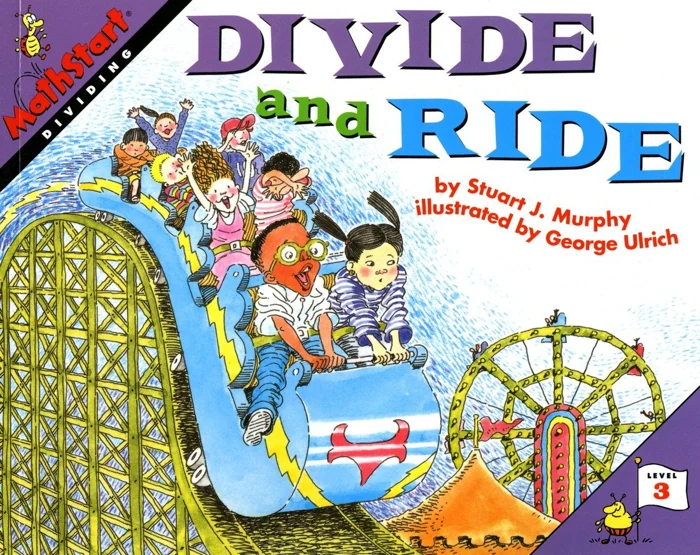 Reading & book discovery
Math Books for Kids: Stories That Make Room for Thinking
Choose math stories for counting, grouping, geometry and bigger ideas, with practical read-aloud prompts and links to the ELL Library.
Read article →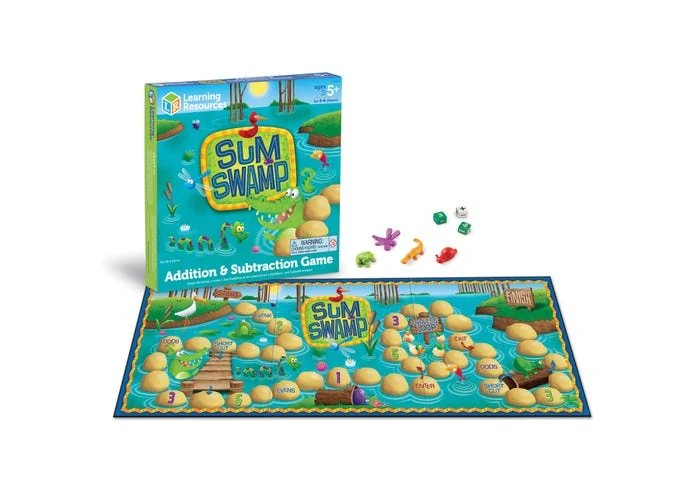 Learning through games
Math Board Games for Kids: Choose the Right Kind of Number Play
Compare family math games for addition, mental arithmetic, number patterns and probability, with age, reading and play-style guidance.
Read article → Texas parent guide
What Is an ARD Meeting? A Texas Parent’s Guide
Understand the Texas ARD meeting, prepare useful questions, participate in your child’s plan, and know what to do when decisions are unclear.
Read article → Texas parent guide
Special Education Denied in Texas? Understand the Decision and Your Next Steps
A practical Texas parent guide to evaluation refusals, ineligibility, service disagreements, written explanations, independent evaluations, and dispute options.
Read article → Testing & Assessment
MAP Growth, i-Ready, and Star: Making Sense of School Progress Tests
What these classroom assessments measure, how to read the big picture, and what to ask when the report does not match the child you know.
Read article → Testing & Assessment
DIBELS, Acadience, aimswebPlus, and FastBridge: What a Reading Screener Can Tell You
A benchmark flag is a prompt for support, not a label for a child. Here is how to turn a short screening result into a useful conversation.
Read article →Testing & AssessmentIowa, Stanford 10, TerraNova, and CAT: A Parent’s Guide to Achievement Tests
Understand national comparisons, test editions, and the difference between a grade-equivalent score and readiness for harder work.
Read article →Testing & AssessmentCogAT, NNAT3, and OLSAT: Understanding Reasoning Tests
What group ability tests can add to the picture, why scores can differ, and how to ask about gifted-program decisions without chasing one magic number.
Read article →Testing & AssessmentWISC-V, Woodcock-Johnson, WIAT-4, and KTEA-3: Inside an Individual Evaluation
Separate cognitive abilities from academic achievement and understand why the test names are only part of a useful evaluation.
Read article →Testing & AssessmentCTOPP-2 and TOWRE-2: Looking Closely at Word Reading
How sound-processing and timed word-reading measures contribute to an evaluation—and why neither tells the whole reading story.
Read article → Advanced Learners
What to Do When Your Child Is Ahead in School: 7 Ways to Encourage Deeper Learning
Practical enrichment, acceleration, and classroom strategies for children ready for more challenge.
Read article → Reading & Writing
Why Kids Are Reading Less for Fun and How to Help Them Enjoy Books Again
What national reading data shows, and how families can make room for enjoyable books again.
Read article →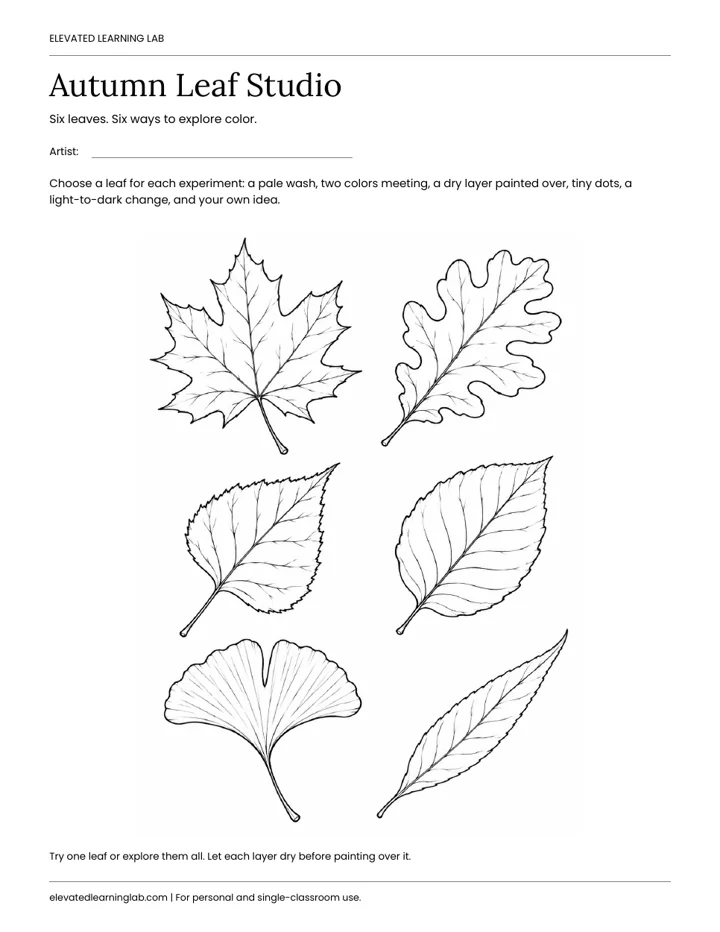 Creative Learning
Simple Watercolor Activities for Kids: A Little Color, a Lot of Possibility
Explore washes, color meetings, layers, and patterns with a free illustrated autumn leaf studio.
Read article →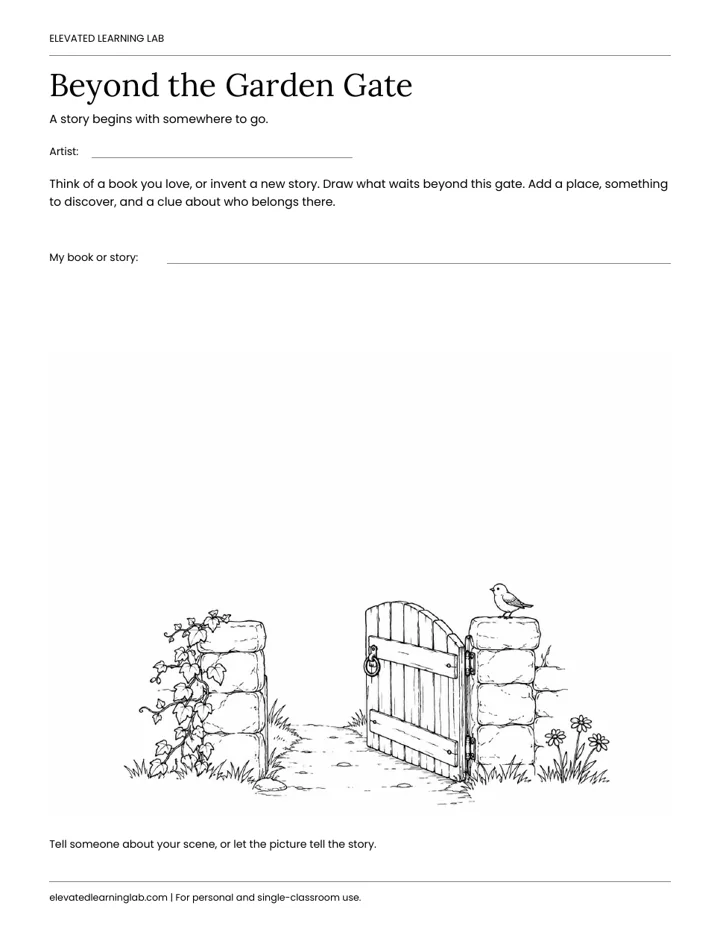 Creative Learning
Art Inspired by a Favorite Book: Let the Story Keep Going
Turn a memorable setting or story moment into original art, with a garden gate page to finish.
Read article →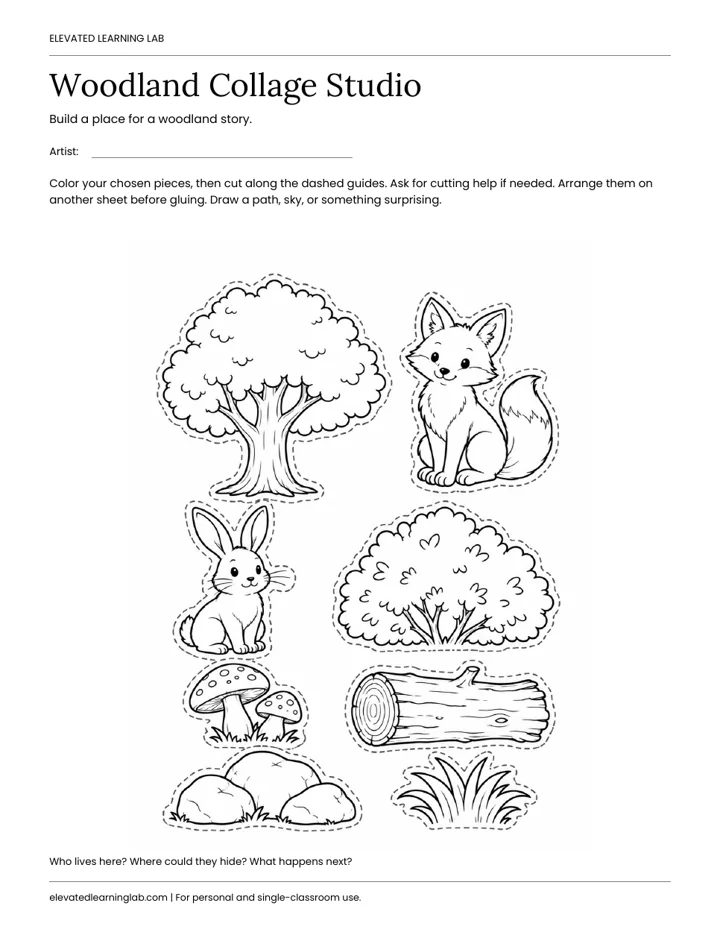 Creative Learning
A Creative Afternoon With Supplies You Already Have
Use paper, crayons, and a few familiar supplies to create, with a free woodland collage sheet.
Read article →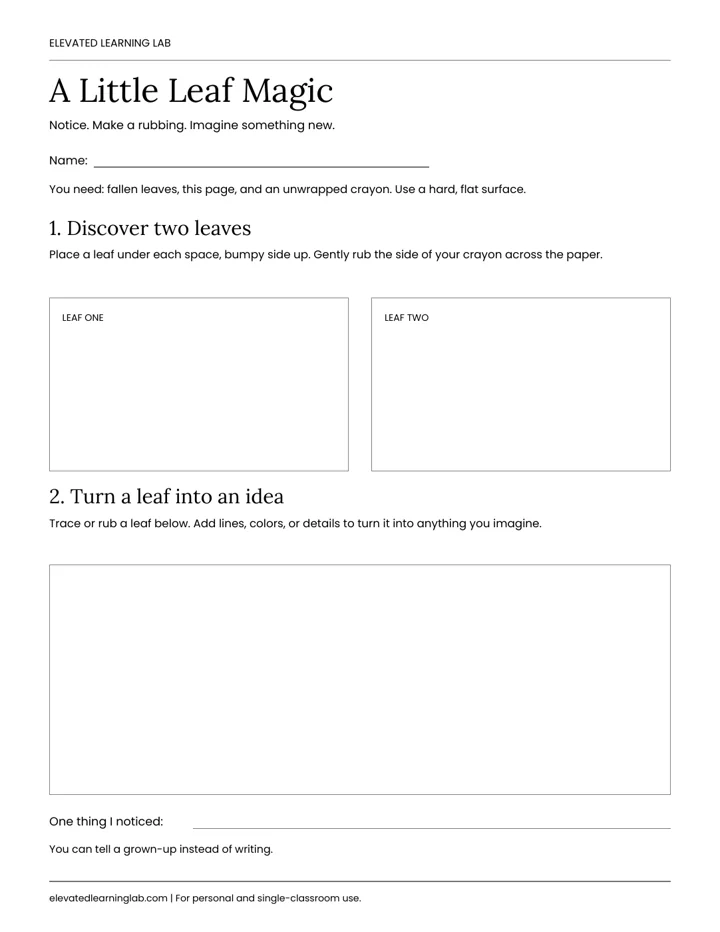 Creative Learning
Simple Fall Art Activities for Kids: Make Room for Wonder
Five easy invitations to notice, experiment, and create with leaves, color, and imagination.
Read article →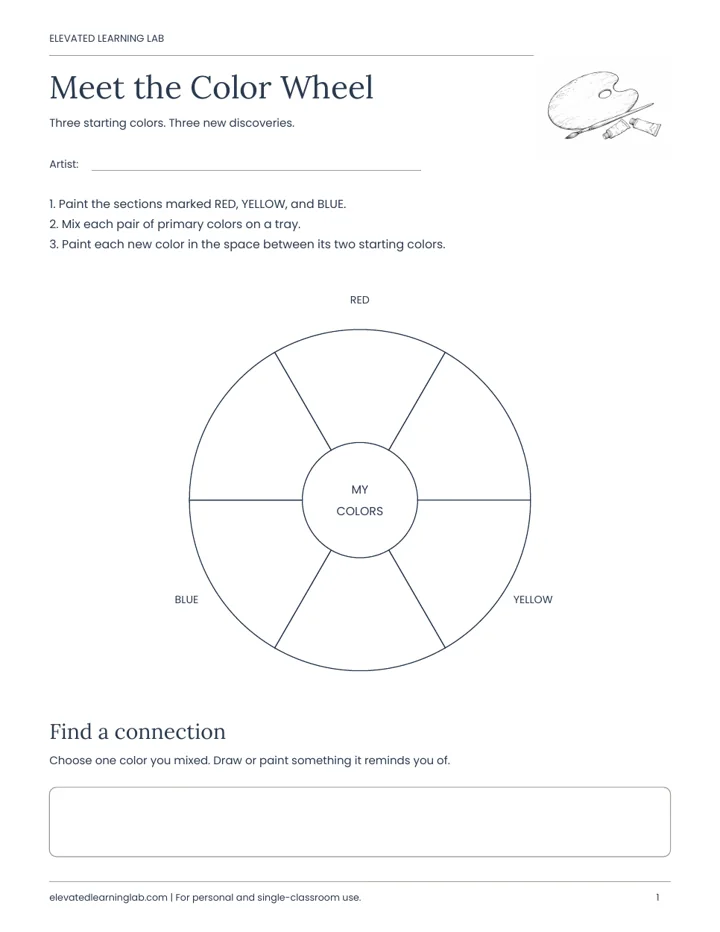 Creative Learning
When a Child Says “I’m Not Good at Art”
Small ways to make creating feel welcoming when a child worries about getting it right.
Read article →Creative LearningTurn a Short Nature Walk Into a Creative Afternoon
A short walk, one interesting detail, and a few materials can become an afternoon of making.
Read article →Learning SupportDysgraphia Beyond Handwriting: Spelling, Dictation, and Helpful Accommodations
Separate handwriting, spelling, and dictation challenges, then match accommodations to what the task requires.
Read article →Reading & WritingDecodable Books vs. Leveled Readers: What Beginning Readers Need
How to match independent reading to taught phonics skills while keeping rich stories in the day.
Read article →Reading & WritingWhy Does My Child Guess Words When Reading?
Calm, print-focused prompts for readers who guess from pictures, first letters, or sentence patterns.
Read article →Reading & WritingHow to Build Reading Fluency Without Rushing
A practical routine for accuracy, phrasing, and supported rereading without making speed the goal.
Read article →Reading & WritingReading Aloud to Older Children: Why Keep Going?
Choose worthwhile shared books and meaningful conversations after children can read independently.
Read article →Advanced LearnersMath Enrichment vs. Acceleration: What Fits an Advanced Learner?
How depth, faster progression, and reduced repetition can meet different mathematical learning needs.
Read article → Homeschooling
How to Build a Homeschool Routine for Multiple Ages
A flexible daily rhythm that combines shared ideas with individual reading, writing, and math instruction.
Read article →Learning SupportIs It Boredom or ADHD?
How to notice patterns across tasks, settings, challenge levels, and time.
Read article →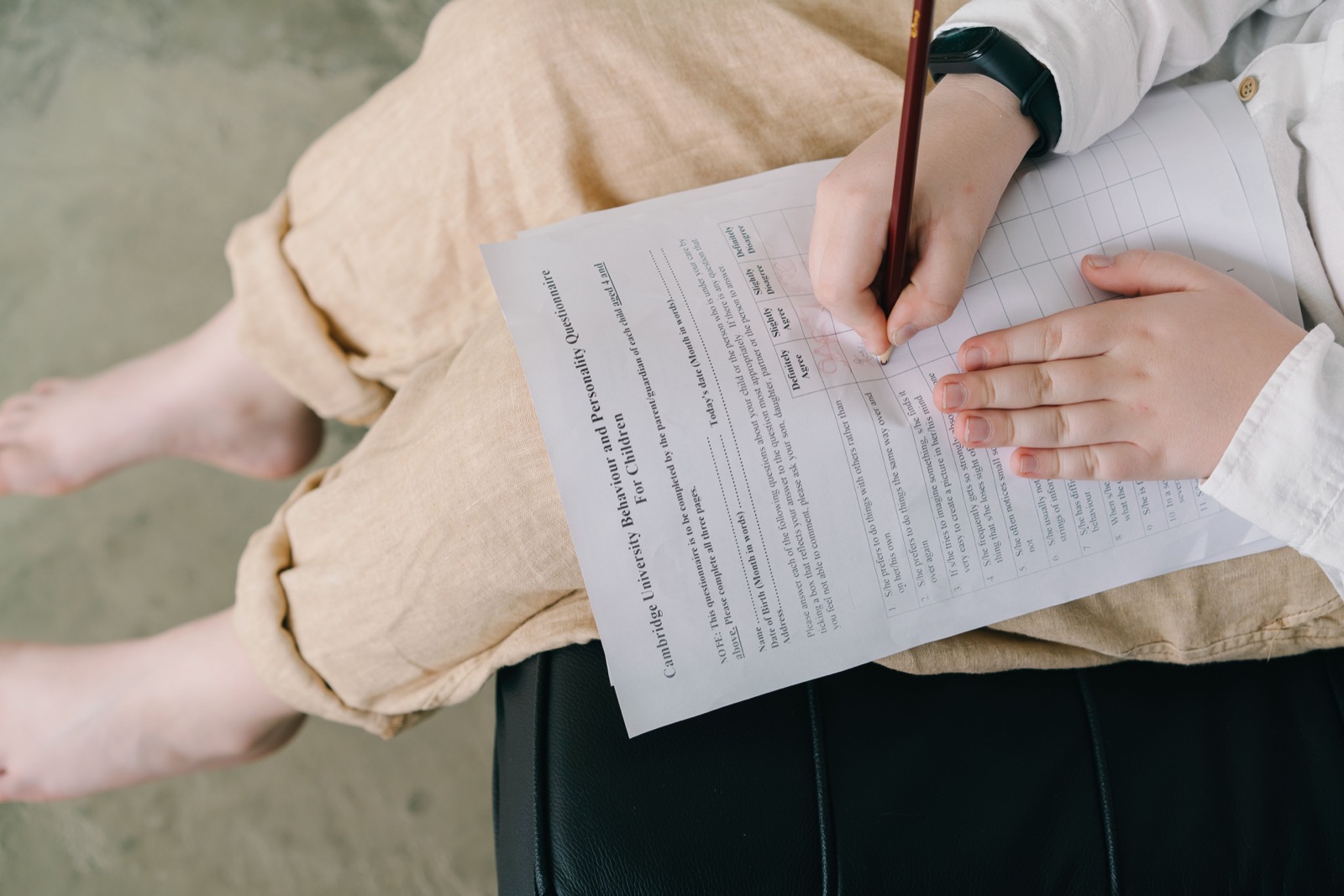 Learning Support
ADHD Testing for Children: What Parents Can Expect
What a careful evaluation may include and why other explanations should also be considered.
Read article →Learning SupportADHD Support at School
Classroom strategies, Section 504 plans, IEPs, and the difference between access and instruction.
Read article → Learning Support
Signs of Dyslexia Parents Often Notice First
Persistent patterns in word reading, decoding, spelling, and fluency.
Read article →Learning SupportDyslexia Testing for Children
Who may evaluate, which skills should be examined, and how to understand the results.
Read article →Learning SupportHow to Support a Child With Dyslexia
Direct instruction, useful accommodations, audiobooks, and meaningful literature.
Read article →Learning SupportDysgraphia or Reluctant Writing?
How handwriting, spelling, transcription, and written expression difficulties can differ.
Read article →Learning SupportHow to Support Dysgraphia Without Lowering the Thinking
Teach writing directly while offering appropriate ways to show understanding.
Read article →Learning SupportDevelopmental Language Disorder, Dysphasia, and Language Delay
A clear guide to terminology, receptive and expressive language, evaluation, and support.
Read article →Learning SupportSchool Evaluation vs Private Testing
How purposes, costs, reports, eligibility decisions, and next steps can differ.
Read article →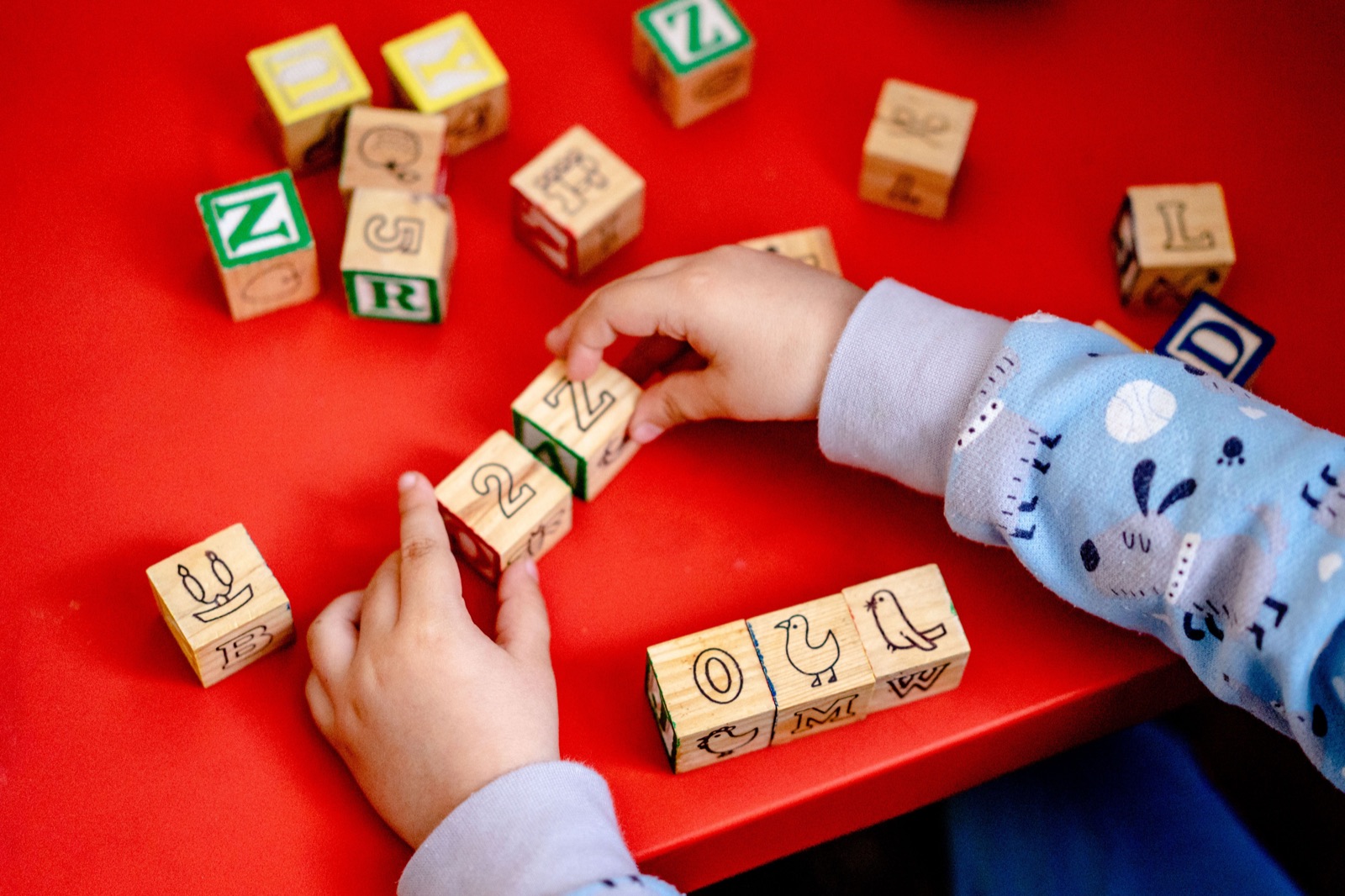 Advanced Learners
Is My Child Gifted or Just Advanced? How to Tell the Difference
The difference between a child who is ahead and a child who is gifted, what to watch for, and when testing is actually worth it.
Read article →Reading & WritingHow to Help a Child Who Hates Reading
Start with why the child resists, not with more reading. Practical ways to rebuild reading without pressure, shame, or endless worksheets.
Read article →Advanced LearnersHow to Challenge a Gifted Child Without Pushing Them Ahead
Go deeper instead of older. How to give real challenge while keeping the content right for the child’s age.
Read article →Advanced LearnersSigns of a Twice-Exceptional (2e) Learner Parents Often Miss
Why giftedness and a learning difference can hide each other, and the patterns worth paying attention to.
Read article →HomeschoolingCharlotte Mason vs Classical Homeschooling: Which Fits Your Child?
Where the two approaches overlap, where they differ, and how to borrow from both without losing coherence.
Read article →